BySonu
What Users Should Understand About 425-224-3980 and Typical Issues
425-224-3980 is a number that often surfaces in discussions of caller identity, potential spoofing, and trust. Understanding its relevance requires clear verification steps, cross-checking with trusted sources, and independent confirmation. Users should expect inconsistencies in data and occasional verification failures. The goal is nonintrusive inquiry, systematic logging, and careful origin checks to avoid misattribution and privacy issues, while preparing for future calls that may present similar uncertainties. The next considerations offer practical safeguards and practical questions to guide assessment.
What Is 425-224-3980 and Why It Matters
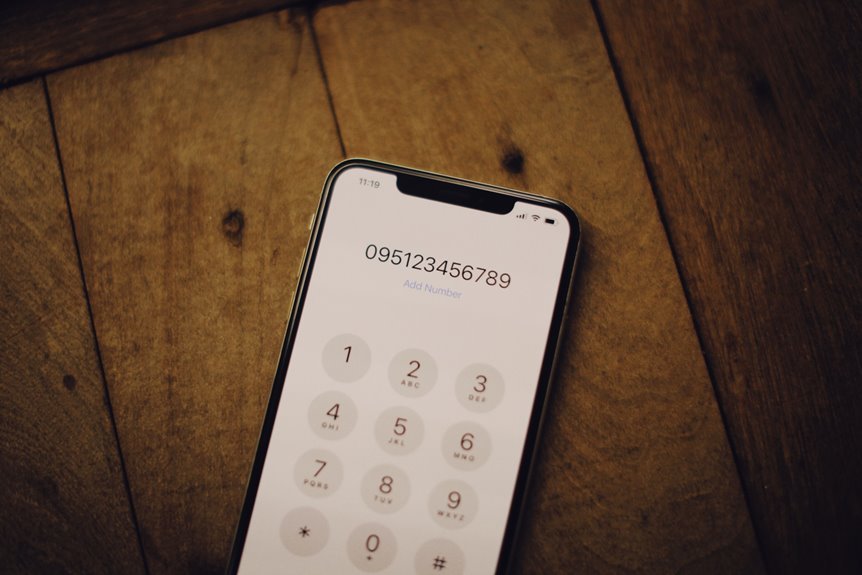
425-224-3980 is a telephone number that often appears in discussions about caller identity, caller scams, and potential spam.
The subject notes a pattern of unknown origins and fluctuating legitimacy.
In this analysis, idea one highlights uncertainty; idea two emphasizes precaution.
The detached perspective explains relevance to users seeking freedom from intrusion, providing concise context without delving into verification methods.
How to Verify the Caller and Detect Spoofing?
To verify the caller and detect spoofing, one should start by cross-checking the number against trusted sources, such as the sender’s official contact channels or a company-issued caller ID. Verification continues with independent confirmation, observing inconsistencies in tone or requests, and using documented protocols. verify caller and detect spoofing are practical measures for users seeking informed autonomy and security.
Common Issues With This Number and How to Troubleshoot
Common issues with this number often center on misattributed calls, failed verifications, and inconsistent caller information. The analysis emphasizes tangible troubleshooting steps, emphasizing nonintrusive inquiry and documentation. Practitioners assess call context, verify data, and log anomalies to support accurate classification. This approach supports informed decisions on caller verification, keeps spoofing detection proactive, and reduces confusion for users seeking freedom through clarity and control.
Protective Steps and Best Practices for Future Calls
Protective steps and best practices for future calls emphasize proactive verification, minimal data exposure, and systematic logging. This approach prioritizes Caller verification to confirm identities before sharing information, reducing risk of unauthorized access.
Spoofing detection should be integrated through call-origin checks and anomaly monitoring.
Regular reviews, updated contact policies, and clear user guidance further safeguard future communications while preserving user autonomy and trust.
Frequently Asked Questions
Is This Number Associated With a Legitimate Business or Scam?
The number’s legitimacy is unclear; caution is advised. Unsolicited alerts and caller metadata may indicate risk, suggesting potential scams. Reports vary, so verification through official channels is recommended before engaging or sharing personal information with this contact.
Can I Block Calls From This Number Automatically?
Yes, they can block future calls automatically. The system should block future calls from the number after verification of legitimacy, ensuring protection while avoiding false positives; users should verify legitimacy before relying on the block.
What Privacy Data Could This Number Access on My Device?
Surprisingly, the number may access limited device data via calls or apps; privacy exposure hinges on permissions. It can reveal call data access, VOIP verification, and number authentication signals; assess scam indicators, blocking calls, and reporting threats for business legitimacy.
How Can I Report Suspicious Calls to Authorities?
Authorities can be alerted via official reporting channels; list scammers’ numbers, gather evidence, and log times. They should note scam indicators, blocking methods, privacy risks, and verification options while documenting calls for formal review and potential action.
Do Voip Providers Offer Enhanced Verification for This Number?
Enhanced verification varies by provider; some offer limited VoIP verification tools and carrier-end checks. Enhancement Verification may reduce spoofing risk, but consistency is inconsistent. VoIP Verification practices depend on each vendor’s policy and compliance capabilities.
Conclusion
In a quiet harbor, a beacon candle flickers: never trust one flame alone. The ship, a caller 425-224-3980, may be true or a painted ruse. Guides—verification, trusted cross-checks, and independent confirmation—are the tide that reveals truth. When fog thickens with spoofing and misattribution, sailors log, compare data, and seek corroboration. With discipline and prudent inquiry, autonomous travel remains safe, and future arrivals are mapped clearly, not swayed by deceptive reflections.